Finding the perfect gift can feel like navigating a maze of shiny trinkets and mass‑produced items. When you want something that truly resonates, the answer often lies in a handmade treasure that carries the maker’s soul. This guide will walk you through the art of selecting handmade gifts that feel authentic, so you can give something that not only delights but also tells a story.
Understanding the Essence of Authenticity
Defining Authenticity in Handmade Gifts
Authenticity isn’t just a buzzword; it’s the invisible thread that ties a gift to its creator’s intention. A truly authentic website handmade item reflects the maker’s skill, the materials chosen, and the context in which it was made. Think of it as a fingerprint on a gift—unique, personal, and unmistakable.
Why Authenticity Matters
Ever wondered why a hand‑stitched scarf can feel warmer than a factory‑made one? The answer lies in the care poured into each stitch. Authentic gifts often carry emotional weight, fostering deeper connections between giver and receiver. They also support artisans, preserving cultural techniques that might otherwise vanish.
Start with the Recipient
Know Their Style
Before diving into the world of artisans, consider the recipient’s aesthetic. Do they lean toward rustic charm, minimalist chic, or bold eclecticism? Matching the gift’s style to their taste ensures it feels like a natural extension of their personality.
Personal Touch
A handmade gift can be customized to add a personal flourish. Many artisans offer options for engraving, color variations, or size adjustments. Think of it as tailoring a suit—only the fabric is woven by hand.
Research the Maker
Look for Transparency
Authenticity shines when the maker is open about their process. Check for detailed product descriptions, behind‑the‑scenes photos, or videos that showcase the creation journey. Transparency builds trust and lets you see the maker’s passion firsthand.
Check Craftsmanship
Examine the finish: Are seams neat? Is the stitching consistent? A skilled artisan’s work will exhibit a level of polish that mass production rarely achieves. Remember, a rough edge can be charming, but deliberate craftsmanship speaks louder than accidental imperfections.
Evaluate Materials and Techniques
Quality vs. Trend
Handmade items often blend traditional techniques with contemporary flair. Prioritize quality materials—natural fibers, sustainably sourced wood, or ethically mined metals—over fleeting trends. Quality is the foundation that ensures longevity and a lasting impression.
Sustainable Sourcing
Modern artisans increasingly prioritize eco‑friendly practices. Look for certifications, recycled materials, or locally sourced components. A gift that respects the planet adds another layer of authenticity, aligning the present with future values.
Consider the Story
The Maker’s Journey
Every artisan has a Holiday season narrative—perhaps a family tradition, a personal struggle, or a cultural heritage. Seek out stories that resonate with you or the recipient. A gift tied to a meaningful journey becomes a conversation starter, deepening its impact.
Cultural Significance
Some handmade items carry cultural symbolism—hand‑painted ceramics from Oaxaca, hand‑woven baskets from the Navajo Nation, or bamboo carvings from Kyoto. Understanding the cultural context enriches the gift’s significance and shows respect for the craft’s origins.
Practical Tips for Selecting
Ask Questions
Don’t hesitate to reach out to the maker. Simple questions about material origin, production time, or customization options can clarify doubts and demonstrate genuine interest. It’s a small effort that often yields a more personalized outcome.
Test the Item
If possible, feel the texture, check the weight, or examine the craftsmanship in person. A tactile inspection reveals details that photos may miss—smoothness of wood grain, the tightness of a knot, or the softness of a yarn.
Trust Your Instinct
At the end of the day, intuition is a powerful guide. If a piece feels right—like a conversation you’re excited to have—go for it. Authenticity is as much about emotional resonance as it is about tangible qualities.
Final Decision
Balancing Price and Value
Handmade gifts can vary widely in price. Remember that the cost often reflects time, skill, and material quality. A higher price tag doesn’t guarantee authenticity, but a modest price may indicate a small‑scale artisan operating out of a home studio. Find a balance that respects both the maker’s worth and your budget.

Timing and Presentation
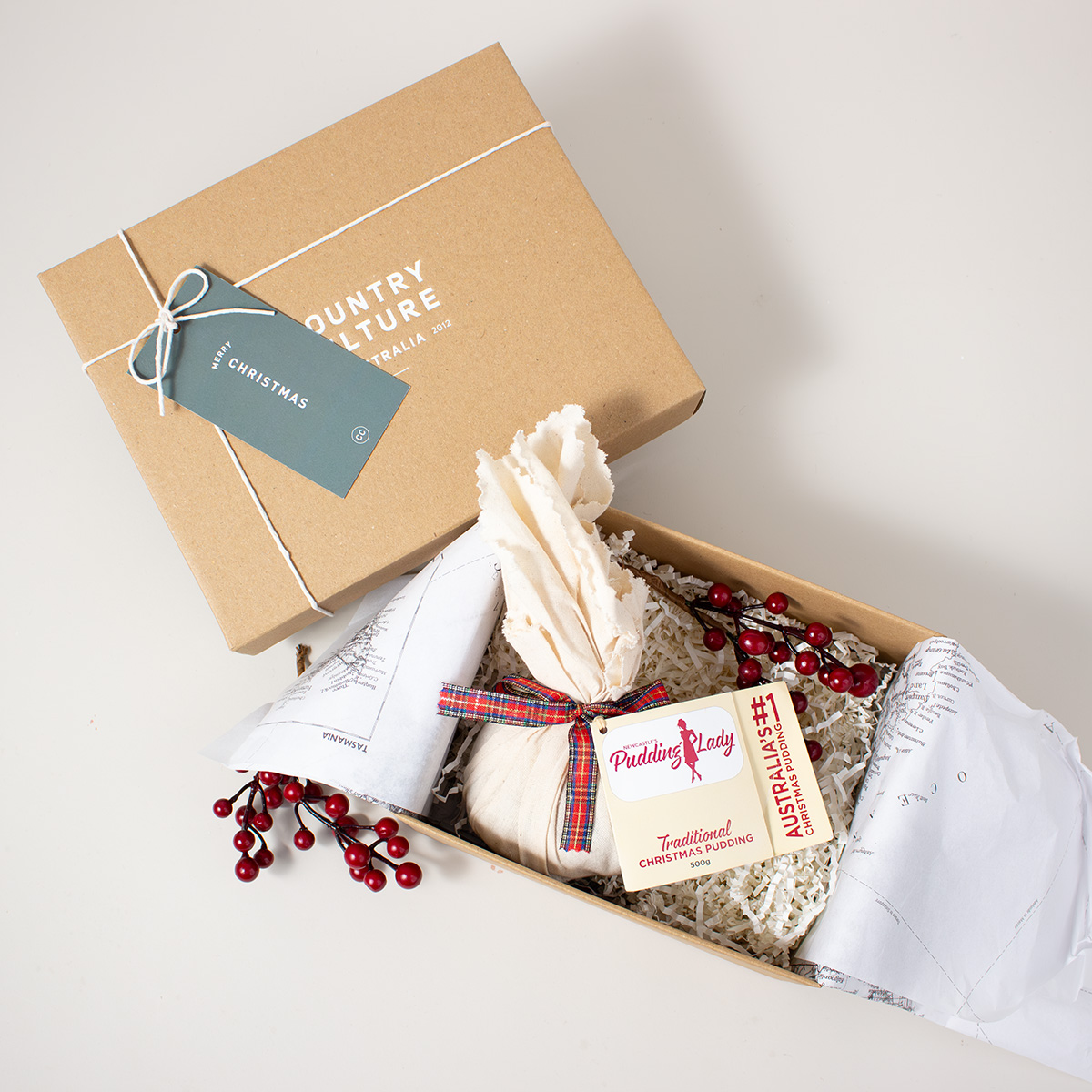
Presentation amplifies authenticity. Wrap the gift in recycled paper, add a handwritten note, or include a small card explaining the maker’s story. A thoughtful presentation signals that the gift is more than an object—it’s an experience.
The Perfect Gift Awaits
Choosing handmade gifts that feel authentic is a blend of research, intuition, and respect for the craft. By understanding authenticity, honoring the maker’s story, and aligning the gift with the recipient’s style, you create a present that transcends the ordinary. As the saying goes, “The best gifts are those that come from the heart.” When you follow these steps, you’ll give a gift that not only delights but also leaves a lasting imprint—just like a fingerprint on a cherished keepsake.
Now go ahead, explore local markets, browse artisan platforms, or even commission a custom piece. Your thoughtful choice will echo long after the moment of unwrapping, turning a simple gift into a treasured memory.